
Piteå IF - The story of their home

LF Arena in Piteå is one of those grounds where the story of the club and the story of the stadium are tightly intertwined – for both the men’s and the women’s sides.
From Kvarnvallen to LF Arena
Piteå IF were founded in 1918 and have grown into one of Norrbotten’s key football clubs, with a large youth setup and a men’s side that has moved between Sweden’s third and second tiers over the years. Their home has long been the same patch of turf: the ground locals still affectionately call **Kvarnvallen**.
Commercial naming rights mean that Kvarnvallen is now better known officially as LF Arena, after the insurance company partner. The ground sits centrally in Piteå, within walking distance of the bus station and close to the E4, which makes matchdays feel plugged into the daily life of the town rather than pushed out to an industrial edge.
Name, layout and characteristics
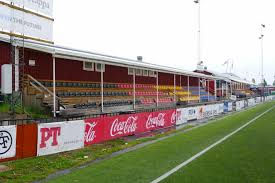
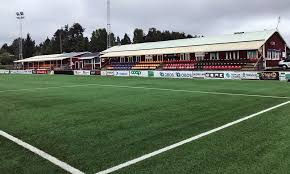
Today, LF Arena is a compact all‑seater and standing venue with a capacity of around 6,000, depending on the source. It has an artificial surface, a practical choice given Piteå’s long winters and the demands placed on the pitch by both men’s and women’s first teams plus an extensive youth programme.
Around the pitch, the ground keeps things simple: low stands, close sightlines and that Scandinavian mix of functional design with just enough comfort. There is a fixed main kiosk plus additional mobile outlets on match-days, serving the essentials – coffee, sausage, hamburgers and snacks – which is very much in keeping with Swedish lower‑league culture. The result is a stadium that feels more like a community meeting point than a corporate bowl.
The dual identity – Kvarnvallen to locals, LF Arena in official documentation – is a neat reflection of Piteå IF itself: rooted in tradition but nudged along by modern football economics.
The men’s team and their big days
For the men’s team, LF Arena has hosted the full range of Norrbotten football life: promotion pushes, relegation battles, and the steady churn of Ettan and Division 2 football. Piteå’s high‑water mark in the modern era came in the late 1990s, when they won their Division 2 series in 1997 and went on to play in Sweden’s second tier in 1998 – their best league finish to date. Those seasons made LF Arena, then still more commonly called Kvarnvallen, the stage for second‑tier football in a relatively small northern town.

One of the ground’s standout occasions came in 1996, when Piteå beat Djurgården in the Svenska Cupen – a genuine “big city giant falls in the north” moment. For a club used to battling away from the limelight, knocking out a Stockholm heavyweight on home soil felt like confirmation that LF Arena could be a difficult trip for anyone.
Below the first team, Piteå IF run one of the largest youth academies in Norrbotten, and the ground is the senior focal point of a wider network that also includes Nordlunda IP for youth matches. Every player who makes it into the men’s first team and walks out at LF Arena is, in some way, a product of that pathway.
The women’s team and a shared stage
Any honest account of LF Arena has to include the women’s side. Piteå’s women have turned the ground into one of the most respected home venues in Swedish women’s football, playing their home matches there on the same surface and under the same floodlights.
Their breakthrough moment came with the Damallsvenskan title in 2018, a championship secured over the course of a season where LF Arena became a fortress against some of the best sides in the country. More recently, lifting the Swedish Cup in 2023–24 added another major honour to the ground’s history, underlining how central the stadium has been to the rise of women’s football in Piteå.
In practical terms, that success has meant bigger crowds, more national‑level fixtures and a more visible role for LF Arena on the Swedish football map. On many weekends, the same stands that host Ettan football for the men will host Damallsvenskan or cup football for the women, giving the place a shared heritage that’s unusual even by Scandinavian standards.
LF Arena in the wider Piteå football culture
Beyond league fixtures, LF Arena sits at the centre of a broader football culture in the town. Piteå IF are one of the organising clubs behind the Piteå Summer Games, a large international youth tournament that brings teams from across Scandinavia and beyond to the area every year. While many of those matches are played on satellite pitches, LF Arena is the natural focal point and showcase pitch for the event.
Taken together, the picture is of a ground that punches above its weight: a modest, multi‑use arena where a men’s club with a proud regional identity and a women’s side with national honours share the same stage. The name may have shifted from Kvarnvallen to LF Arena, and the surface might now be artificial rather than grass, but the essential character remains the same – a tight, community‑driven ground on the edge of the Gulf of Bothnia where big stories occasionally break through the northern sky.


Comments