The Power of Cheering: Why Being Part of a Crowd Lifts Your Mood
- Spec.Tata.

- Nov 14, 2025
- 5 min read
There's something magical about being part of a crowd that's completely lost in the moment. Whether you're watching your local team score the winning goal, cheering on athletes at the Olympics, or even supporting competitors at a quirky cheese-rolling championship, that collective energy does something special to your brain and your mood. But what exactly happens when thousands of voices unite in celebration: and what occurs when that energy turns sour?
The Science Behind the Power of Cheering
When you're swept up in a cheering crowd, your brain becomes a chemistry lab of happiness. Research shows that being part of an enthusiastic audience triggers the release of dopamine and serotonin: those feel-good chemicals that boost motivation and confidence. Add to that a healthy dose of endorphins, the body's natural mood elevators, and you've got a recipe for genuine euphoria.
"It's not just in your head," explains Dr. Sarah Mitchell, a sports psychologist who's studied crowd dynamics for over a decade. "The physiological changes are real and measurable. Your heart rate increases, stress hormones decrease, and your brain literally rewards you for being part of the collective experience."
This isn't just temporary excitement either. These chemical changes can create lasting improvements in mood that extend well beyond the final whistle.
When Positivity Spreads Like Wildfire
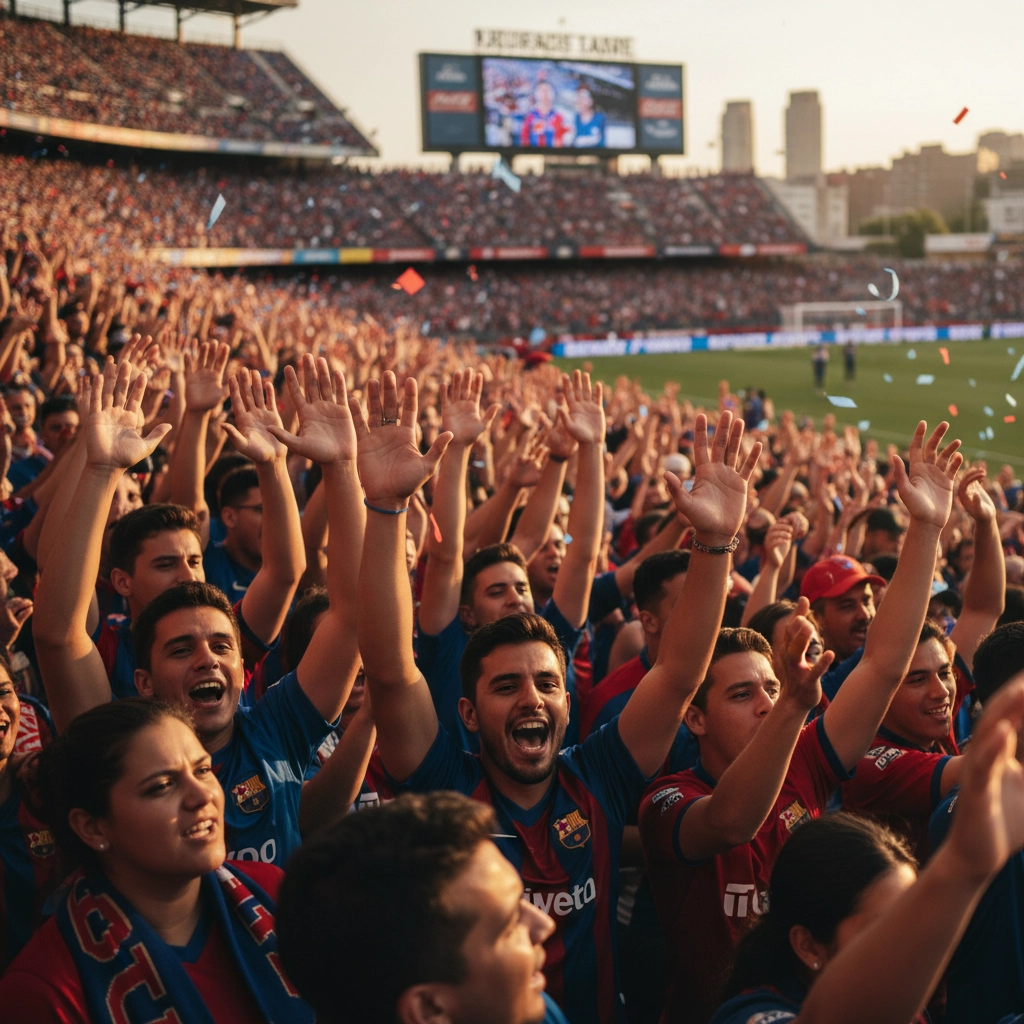
Ever notice how one person's enthusiastic cheer can suddenly ignite an entire section? That's emotional contagion in action: a psychological phenomenon where emotions spread rapidly through groups. When you're surrounded by people expressing joy, excitement, and hope, these feelings become infectious in the best possible way.
"I went to my first rugby match feeling nervous and out of place," shares Manchester United fan Jake Thompson. "But when the crowd erupted after our first try, I found myself on my feet, cheering louder than I thought possible. Suddenly, I wasn't just watching: I was part of something bigger."
This collective vocalization creates powerful social validation. When thousands of people around you react with the same excitement, it reinforces that this moment matters and validates your emotional investment. You're not just a spectator; you're a vital part of the experience.
The Dark Side: When Crowds Turn Toxic
But not all crowd energy lifts spirits. When cheering turns to booing, jeering, or worse, the psychological effects flip dramatically. Negative crowd energy can create feelings of anxiety, shame, and isolation: even for those who aren't the direct targets.
"I remember being at a match where our own fans started booing our players," recalls longtime football supporter Maria Santos. "The atmosphere became toxic. Instead of feeling connected and uplifted, I felt embarrassed and wanted to leave. It's amazing how quickly the energy can shift from positive to negative."
Research backs up Maria's experience. While positive crowd engagement releases mood-boosting chemicals, negative crowd behavior triggers stress responses that can leave you feeling drained and disconnected. The same emotional contagion that spreads joy can just as easily spread hostility and negativity.
Athletes report feeling the difference acutely. Supportive cheers can boost performance and confidence, while hostile crowds can increase anxiety and self-doubt. The power of collective voice works both ways.

Building Bonds Through Shared Joy
One of the most powerful aspects of positive crowd experiences is how they create instant community. Complete strangers become temporary teammates, united by shared hopes and collective celebration. This sense of belonging fulfills a fundamental human need that's increasingly rare in our digital age.
"Sports gave me my social life back," explains retired teacher David Park, now 67. "After my wife passed, I felt isolated. But going to local matches connected me with people who shared my passion. We cheer together, commiserate together, and celebrate together. These aren't just random people anymore: they're my community."
Studies confirm David's experience. Regular participation in positive crowd experiences correlates with stronger social connections, reduced loneliness, and improved overall life satisfaction. The power of cheering and the shared emotional experiences create bonds that often extend far beyond the stadium walls.
Real Mental Health Benefits
The mental health benefits of positive crowd participation aren't just feel-good fluff: they're backed by solid research. Ohio State University found that fans experience measurable boosts in self-esteem after their team wins, effects that last for approximately two full days. For older adults who regularly attend sporting events, researchers documented better mood and fewer depressive symptoms.
"It's like group therapy, but way more fun," jokes clinical psychologist Dr. James Kumar, who specializes in community mental health. "The combination of physical activity: even just the act of cheering: social connection, and shared emotional release creates a perfect storm of mental health benefits."
The key is that these benefits compound over time. Regular participation in positive crowd experiences helps build resilience, creates reliable social connections, and provides healthy outlets for stress and emotion.

The Ripple Effect of Positive Energy
When crowds choose positivity over negativity, the effects ripple outward in surprising ways. Players perform better, which creates more exciting moments to celebrate. Positive atmospheres attract more families and new fans, growing the community. Even television viewers report feeling more engaged when they can hear enthusiastic, supportive crowds.
"The best crowds don't just react to great moments: they help create them," observes veteran sports broadcaster Helen Carter. "When I'm covering a match with a genuinely supportive atmosphere, you can feel the energy through the screen. It makes everyone involved want to be part of something special."
Creating Culture, One Cheer at a Time
Every time you choose to cheer rather than boo, to encourage rather than criticize, to lift up rather than tear down, you're contributing to a culture that benefits everyone involved. Your individual voice might seem small, but research shows that positive crowd behavior is contagious and cumulative.
"The fans who focus on supporting their team rather than attacking the opposition create the most powerful atmospheres," notes fan culture researcher Dr. Amanda Phillips. "These positive environments don't just make people feel better in the moment: they create lasting memories and stronger communities."
The next time you're part of a crowd: whether at Wembley Stadium or your local park: remember that your voice carries real power. You can contribute to an experience that lifts everyone's mood, creates genuine human connection, and provides measurable mental health benefits. Or you can add to negativity that leaves people feeling worse than when they arrived.
The choice is yours, and the impact is real. When thousands of individual voices unite in celebration and support, they create something that transcends sport entirely: they create joy, community, and healing that extends far beyond the final score.
In a world that often feels divided, the simple act of cheering together reminds us of our shared humanity and our capacity for collective joy. That's a power worth using responsibly.
Comments