
Pacific FC - Spectata history

Pacific FC is one of those rare modern clubs that already feels like a proper football “home” rather than just a brand, even though it was only founded in 2018.
Trading Superclubs for Island Skies
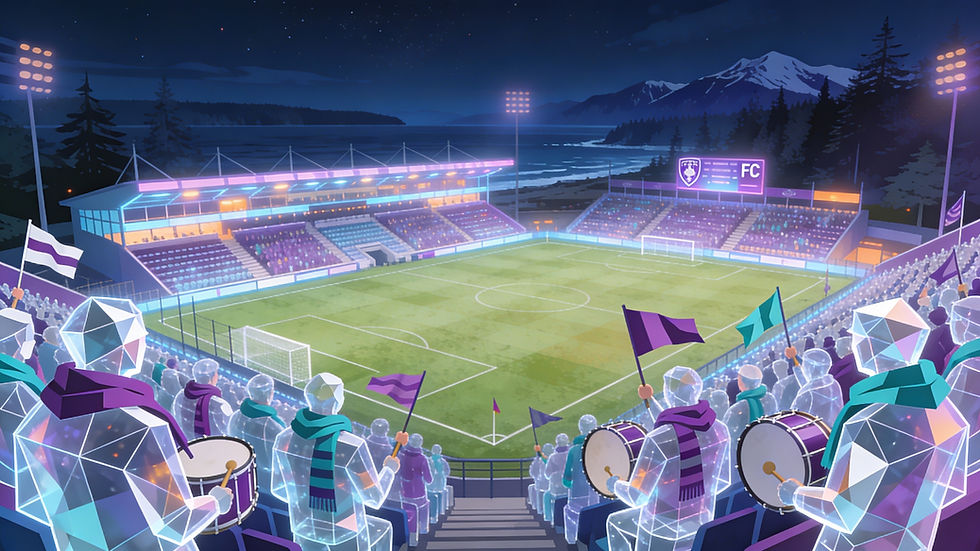
Picture swapping a crowded European super‑stadium for a ferry ride to Vancouver Island and an evening under the Pacific sky. You walk up through the trees toward Starlight Stadium in Langford, the lights cutting through the dusk, the sound of drums and chants rolling out long before you see the pitch.
There are no 80,000‑seat stands here, no corporate megastore. Instead you get a compact ground, supporters in purple filling safe‑standing sections, and kids leaning over the railings for high‑fives in warm‑up. It’s football on a human scale, built around a region that long felt overlooked in Canada’s pro soccer landscape.
If you’re tired of watching the same handful of global giants trade trophies and want to feel part of something that’s still growing, Pacific FC might be your perfect detour.
A Club Built From Scratch on an Island
Pacific FC didn’t grow out of a 19th‑century works team or a church side. It was created specifically for the Canadian Premier League, officially unveiled in 2018 as the league’s West Coast club and playing its first CPL match in April 2019 – a 1–0 win over HFX Wanderers that felt like a statement: Vancouver Island had arrived on the national stage.
From day one, the ownership group talked about building a club “from scratch” that could put the Island on the football map, not just by signing names but by giving young Canadian players a pathway. Co‑owner Josh Simpson, a former Canadian international, has been open about seeing Pacific as a vehicle for national progress as much as local pride, blending experienced pros with prospects who might otherwise fall through the cracks.
The colours – bold purple, teal and white – and the branding lean heavily into the geography: ocean, forest, mountains, and the idea of the Pacific as both edge and gateway. It’s a club that wears its sense of place on its sleeve.
Island Pride, National Impact
For a young club, Pacific’s football story has moved fast. They won their first Canadian Premier League title on 5 December 2021, beating defending champions Forge FC 1–0 away at Tim Hortons Field in Hamilton. That win didn’t just bring a trophy to Vancouver Island; it confirmed that a club built around youth development and bold attacking football could go toe‑to‑toe with the CPL’s early heavyweights.
Earlier that same year, Pacific shocked the Canadian soccer landscape by knocking MLS side Vancouver Whitecaps out of the Canadian Championship, winning 4–3 at Starlight Stadium in their first competitive meeting. For Island fans, it was more than a cup upset – it was a validation that they didn’t need to look to the mainland for “big time” football anymore.
Since then, Pacific have turned consistency into a habit. They’ve reached the CPL playoffs in each of their first six seasons, something only a couple of other clubs have matched, and they’ve made multiple Canadian Championship semi‑finals, including three in four years by 2024. On the continental stage, they’ve also made their presence felt, reaching the second round of the CONCACAF League in 2022 and dishing out a 6–0 home win over Jamaica’s Waterhouse FC along the way.
These aren’t just stats; they’re the building blocks of a club identity: ambitious, fearless, and determined to prove that a team from an island city can punch above its weight.
Starlight Stadium: A Neighbourhood Fortress
Starlight Stadium itself (known for years as Westhills) is a big part of why Pacific feels so different from the top‑level game. With a capacity in the low thousands and safe‑standing sections that put you right on top of the touchline, there’s nowhere to hide from the atmosphere.
On matchdays, the Lake Side Buoys – Pacific’s main supporters’ group – turn the place into a sea of purple, teal and flags. Drums echo off the metal stands, smoke curls up from goal celebrations, and chants carry that mix of humour and edge you only really get at grounds where fans and players can actually hear each other.
You’re close enough to see the sweat on a centre‑back’s forehead as he defends a late corner, close enough to shout encouragement that might actually be heard. That proximity changes the relationship; you’re not a seat number in a mega‑bowl, you’re part of the noise that shapes the game.

A Pathway, Not Just a Badge
One of the most compelling things about Pacific is how seriously they take the idea of being a pathway club. Through their “Powered by Pacific FC” youth network, they’ve linked up with local academies and community clubs across Vancouver Island to create clearer routes from grassroots to professional football.
The idea is simple but powerful: a kid playing for a small community side in Nanaimo or Saanich should be able to see a line from their current pitch to pulling on a Pacific shirt at Starlight Stadium. That means coaching support, talent identification, and chances for local players to train and eventually sign for the first team.
On the senior side, Pacific have consistently given major minutes to young Canadians, helping launch or revive careers. Players like Marco Bustos and Lukas MacNaughton used the Island as a platform to show what they could do, leading to bigger moves and national‑team attention. For fans, that adds an extra layer: you’re not just watching hired guns; you’re watching potential national stars grow up in your colours.
Derby Days and a Growing Football Culture
No club feels complete without a rival, and for Pacific, that storyline has only grown stronger. The emergence of Vancouver FC on the mainland has given birth to a genuine regional derby – the so‑called “Coastal Clash” – adding spice to the calendar and stoking island‑versus‑mainland pride.
But even beyond that rivalry, Pacific has helped ignite a broader football culture on Vancouver Island. Kids wearing purple kits at school, local pubs filling for away games, five‑a‑side pitches buzzing with people copying what they saw at the weekend – these are the signs of a club that’s starting to seep into everyday life.
For neutral visitors, dropping in for a match is a great way to see another side of Canadian sport: passionate, noisy, sometimes chaotic, but always grounded in community rather than spectacle.

Why Pacific FC Should Be on Your Ground‑Hopping List
If you loved the idea of Stenhousemuir’s toffee‑scented terraces or Fakenham’s Ghosts under East Anglian skies, Pacific FC offers a different twist on the same theme: a club deeply rooted in its surroundings, offering an alternative to the global superclub treadmill.
Here’s what you get if you make the trip to Langford:
- A young club with a serious honours list already, including a CPL title and a famous cup win over MLS opposition.
- A stadium where every seat feels close to the action and where you can actually see the impact of your support.
- A team built around giving Canadian players a genuine pathway, rather than just filling a roster with short‑term imports.
It’s football that still feels like a shared project rather than a finished product.
If you’re using Spectata to find a new club worthy of your support and your time to follow, Pacific FC is the kind of club that deserves its own page of stories, photos and recommendations: where to stand with the Lake Side Buoys, which local brewery to visit before the game, how to combine a match with a weekend exploring the Island.
Because some of the best modern football stories aren’t being written in century‑old cathedrals or billion‑dollar arenas. They’re happening in places like Starlight Stadium – where a club founded in 2018 can already feel like home, and where every new supporter helps shape what Pacific FC will become next.

Comments